How to Protect Your Outdoor Heat Pump From Ice and Snow
Winter weather in North Carolina may be unpredictable, but ice and snow can still take a toll on your heat pump. Many homeowners accidentally damage their systems by blocking airflow, placing units too close to debris, or covering them incorrectly.
At Parker and Company Heating and Air, we help homeowners across Clayton, NC and the Triangle area protect their HVAC systems through every season. Here is what you need to know to keep your outdoor heat pump running safely and efficiently during winter weather.
Why Your Outdoor Unit Needs Special Attention in Winter
our outdoor heat pump does not shut down in winter. It continues operating to pull heat from the outside air and transfer it into your home. This means it must maintain proper airflow even during cold and icy conditions.
When airflow is restricted or ice buildup becomes excessive, you may experience:
- Reduced heating performance
- Higher energy bills
- System short cycling
- Frozen components
- Premature equipment failure
Proper care makes a major difference.
Maintain Proper Clearance Around Your Heat Pump
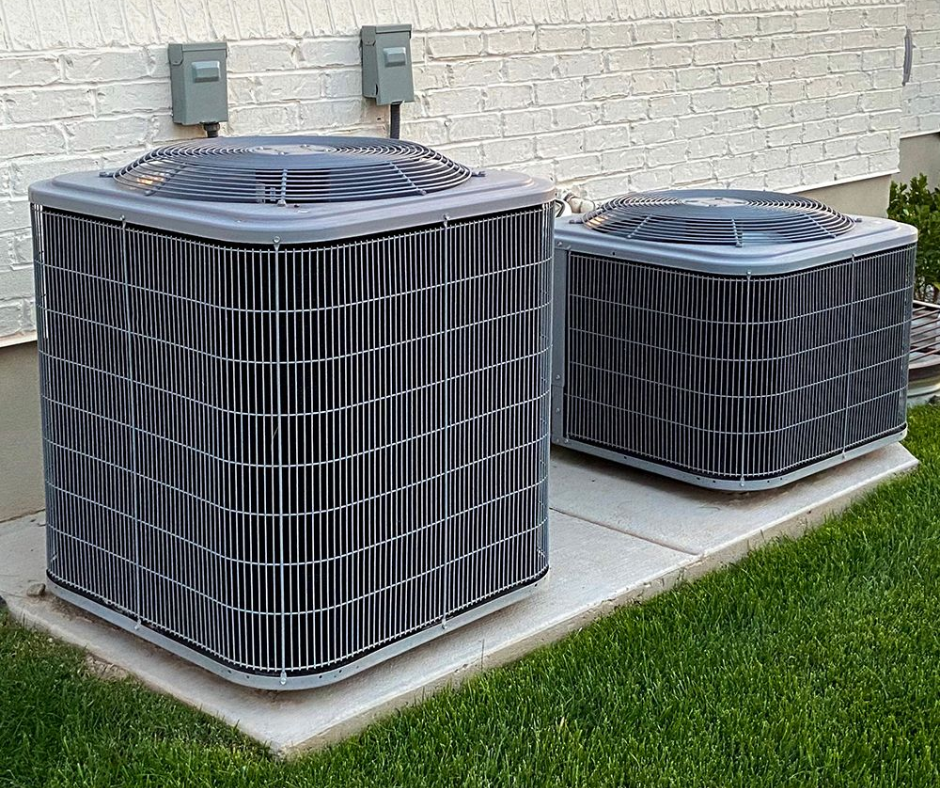
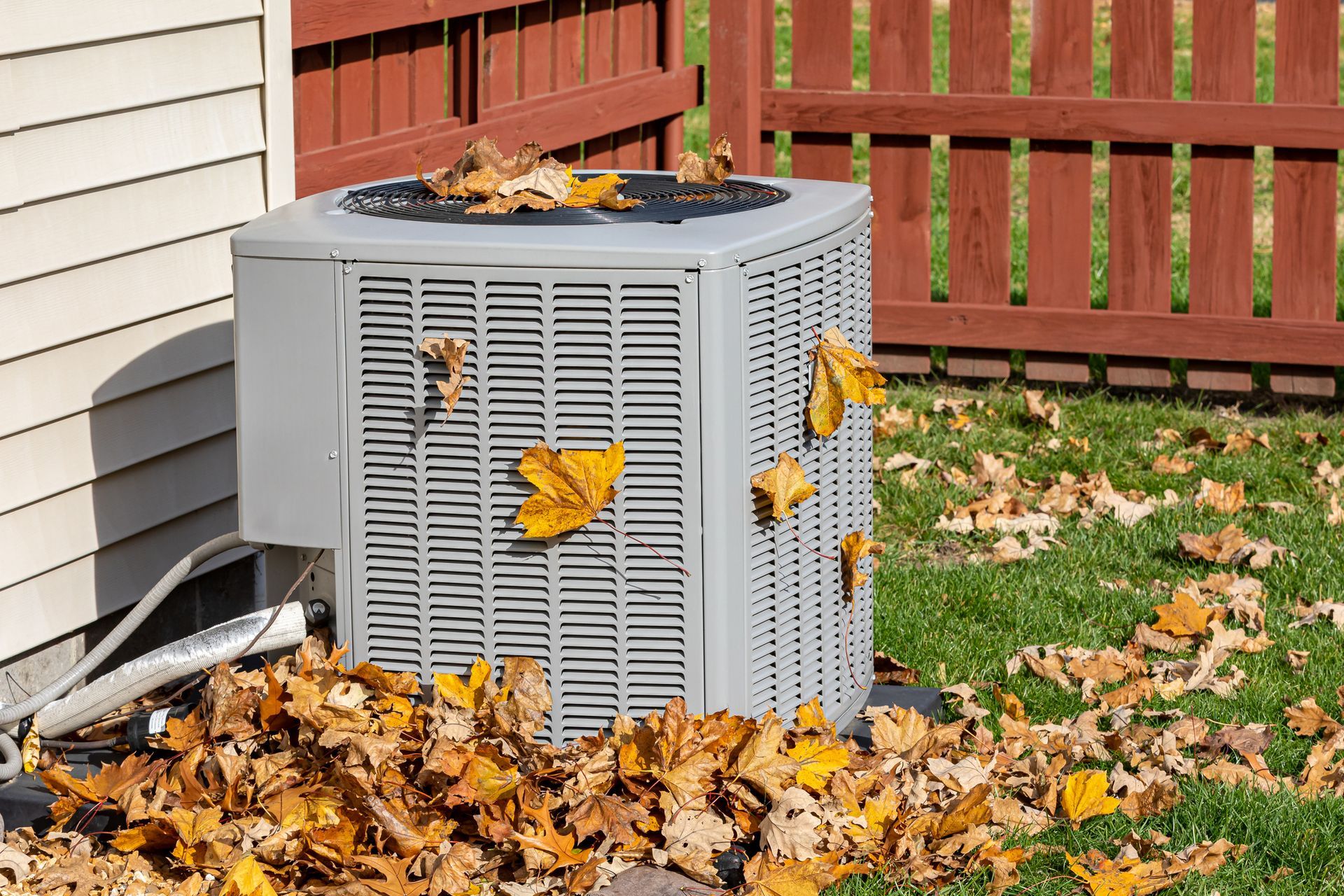
Airflow is critical for heat pump operation. Your outdoor unit needs room to breathe on all sides.
Homeowners should:
- Keep at least two to three feet of clearance around the unit
- Remove leaves, grass clippings, and mulch buildup
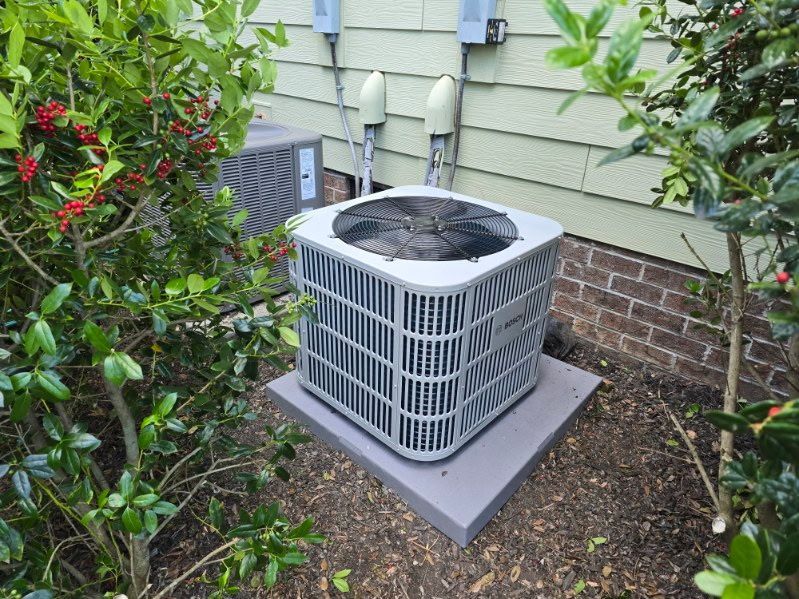
- Trim shrubs and bushes regularly
- Avoid stacking firewood or storage items near the unit
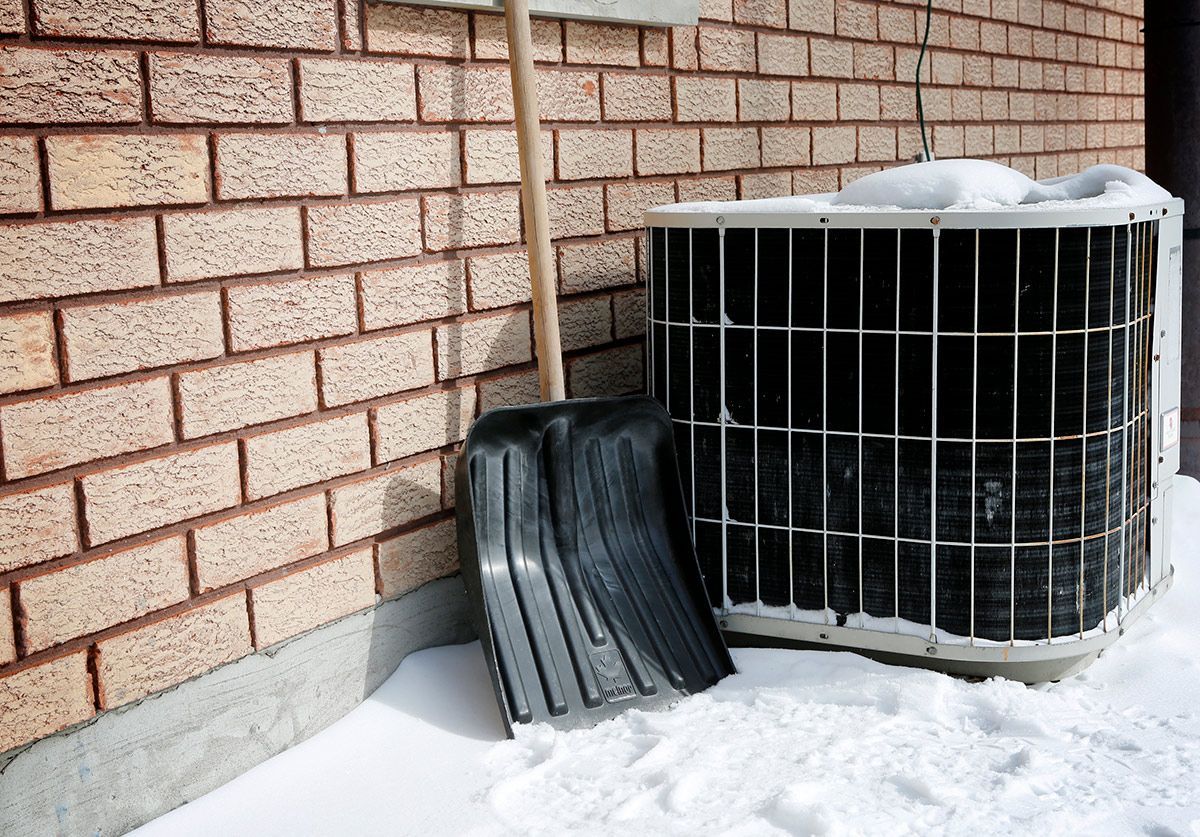
- Keep snow and ice cleared away after winter weather
Blocked airflow forces your system to work harder and can lead to ice buildup on the coil.
Understand What Normal Ice Looks Like
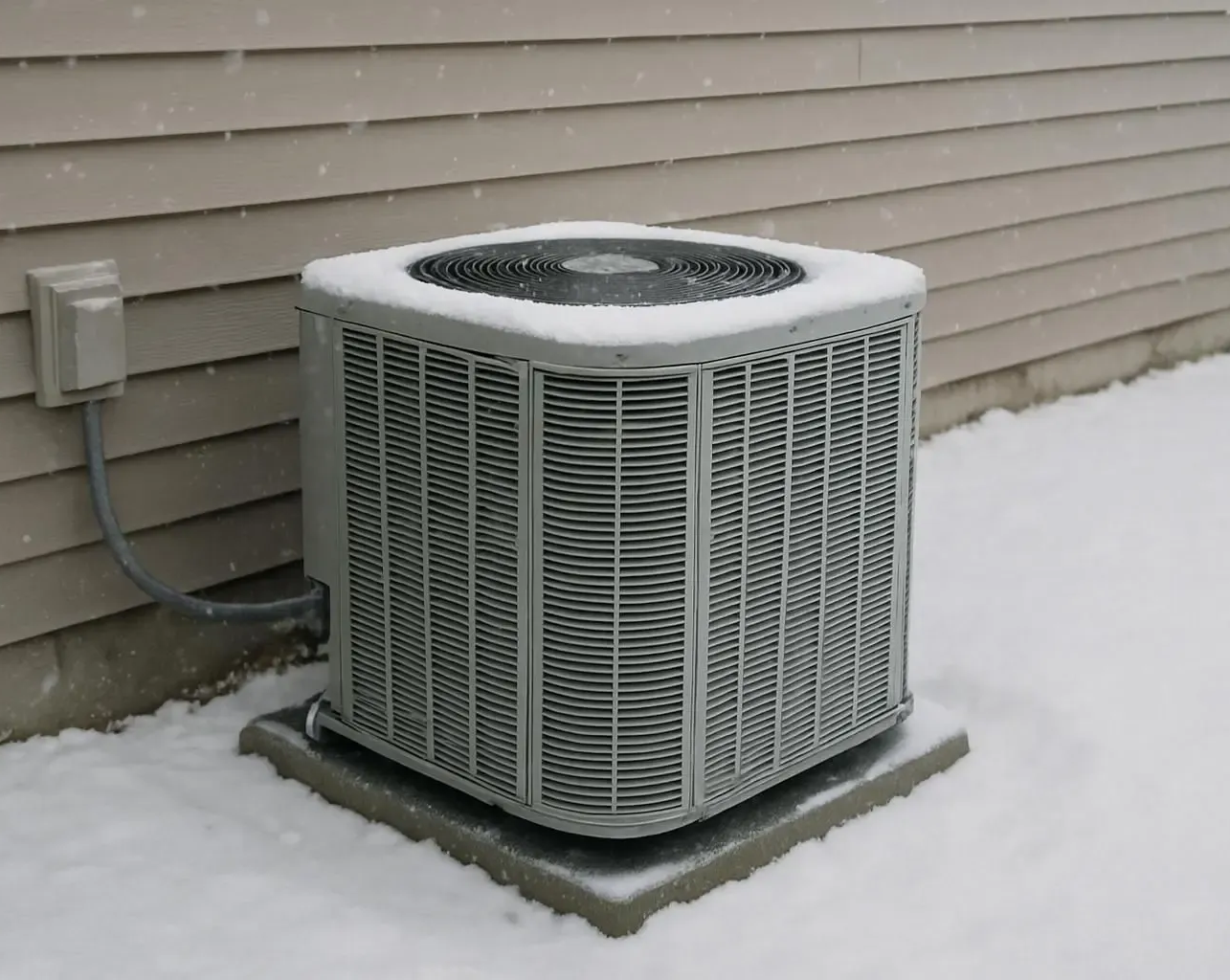
Many homeowners panic when they see frost or light ice on their heat pump. Some frost is normal during cold operation, and your system is designed with a defrost cycle to handle it.
Normal conditions:
- Light frost on the coil that disappears after defrost
- Occasional steam during defrost cycle
- Water around the unit after defrost
Warning signs:
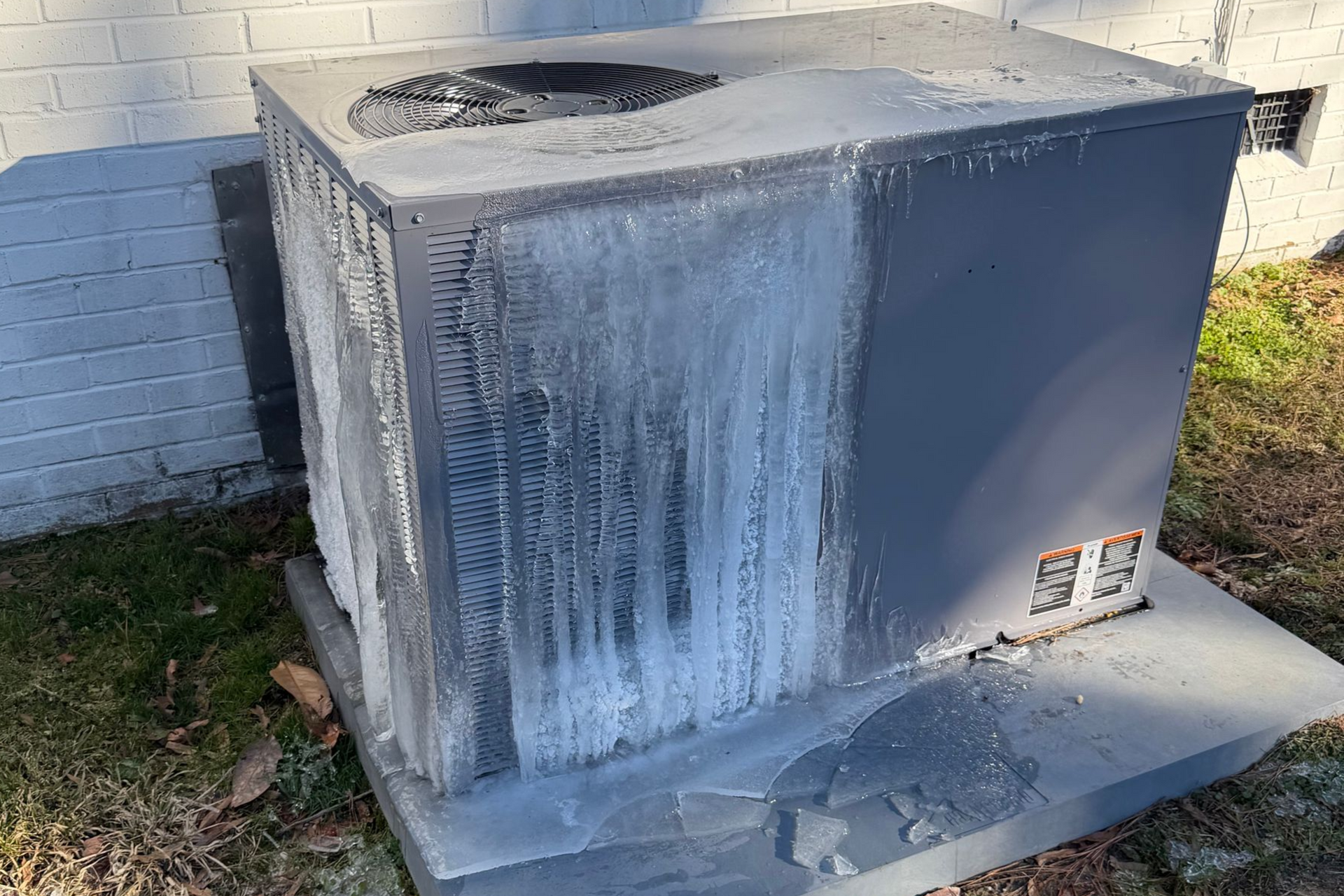
- Thick ice covering the entire unit
- Ice that never melts off
- Reduced airflow or unusual noises
- System struggling to maintain temperature
If you notice heavy ice buildup, it is time to call a professional.
Why Covering Your Heat Pump the Wrong Way Causes Damage
One of the most common mistakes homeowners make is wrapping their outdoor unit in plastic or tarp during winter.
This can cause:
- Moisture to become trapped inside the unit
- Increased risk of corrosion on electrical components
- Mold and mildew buildup
- Frozen fan blades
- Damage to coils and wiring
If you want to protect your unit from falling debris, use only a breathable top cover designed for heat pumps. Never cover the sides or restrict airflow.
Protect Your Unit From Roof Runoff and Icicles
Placement matters during winter weather. Water dripping from rooflines can refreeze on your unit and create serious ice problems.
Helpful tips:
- Check for roof runoff that falls directly onto the unit
- Redirect downspouts away from the system
- Watch for icicles forming above the heat pump
- Clear heavy ice buildup around the base carefully without damaging components
Small adjustments can prevent expensive damage.
Do Not Chip Ice With Sharp Objects
f your heat pump becomes icy, never use screwdrivers, knives, or other sharp tools to remove ice. This often results in punctured coils and costly repairs.
Safer options:
- Turn the system off and allow ice to melt naturally
- Use warm water to gently melt ice buildup
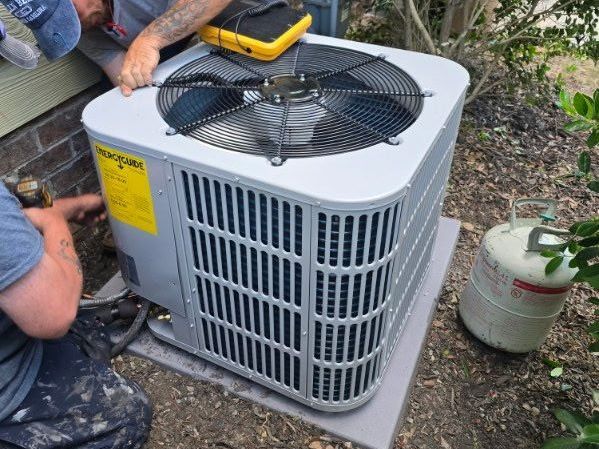
- Call Parker and Company Heating and Air for professional service if ice persists
Schedule Professional Maintenance Before Winter Weather Arrives
This is paragraph text. Click it or hit the Manage Text button to change the font, color, size, format, and more. To set up site-wide paragraph and title styles, go to Site Theme.