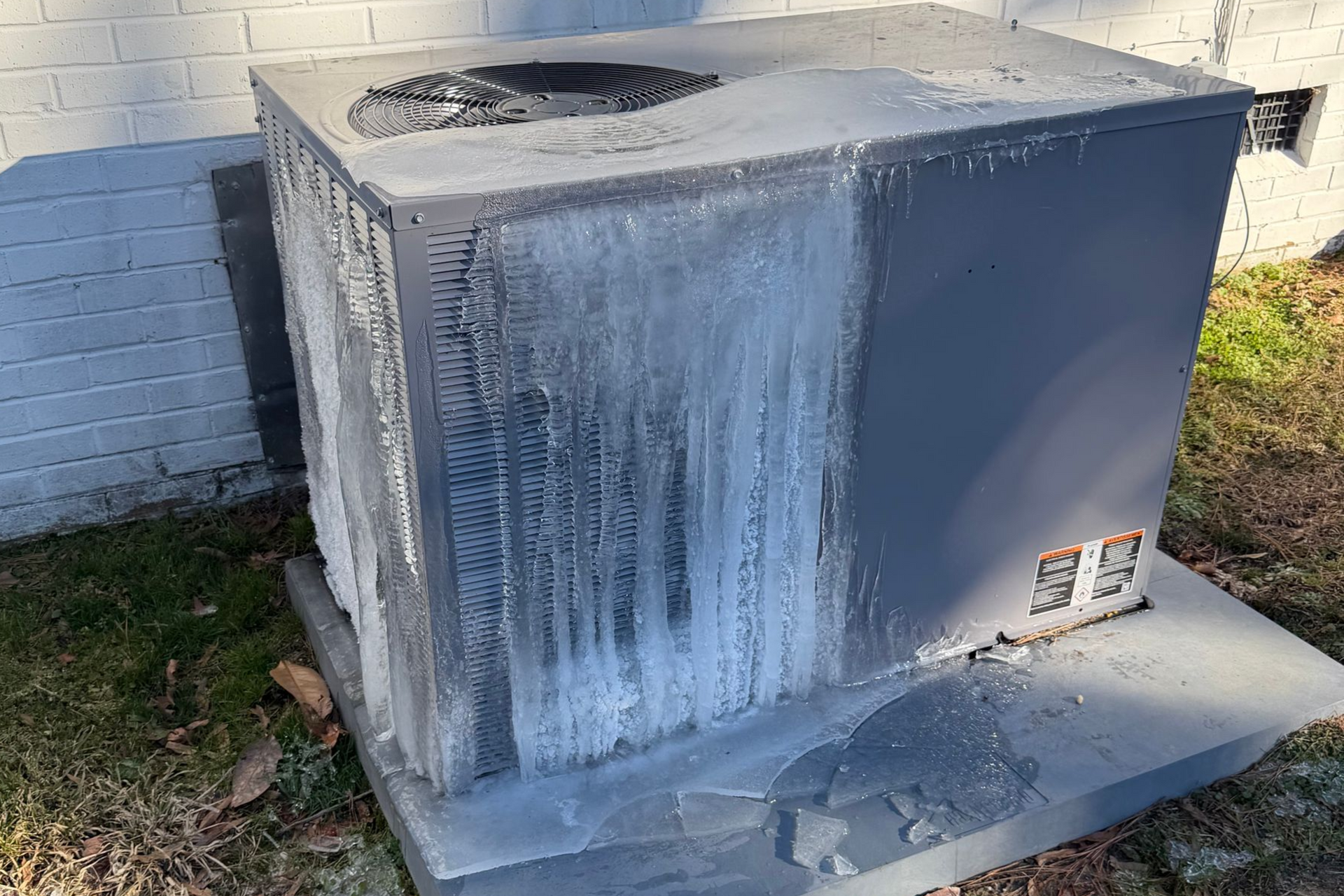
How Your HVAC System Reacts After a Sudden Weather Change (From Freezing Temps to Warmer Days)

If you live in Clayton, NC or anywhere in the Triangle area, you know how unpredictable winter weather can be. One week we’re dealing with freezing temperatures and running our heat nonstop — and the next, it suddenly feels like spring.


But have you ever wondered what that sudden temperature swing does to your HVAC system?


At Parker and Company Heating and Air, we often receive service calls right after dramatic weather shifts. Here’s what’s happening behind the scenes in your heating and cooling system — and how to make sure it keeps running efficiently year-round.

1. Your HVAC System Has Been Working Overtime

During a freezing week, your heating system runs longer cycles to maintain indoor comfort. Whether you have a heat pump or furnace, the system is:


  • Cycling more frequently


  • Running extended heating cycles


  • Working harder to offset heat loss


  • Possibly operating in emergency heat mode (for heat pumps)


When temperatures suddenly warm up, your system finally gets a “break” — but that transition can expose underlying issues that developed during the cold stretch.

2. Expansion and Contraction of Components

Extreme cold followed by warmer temperatures causes metal components, ductwork, and refrigerant lines to expand and contract.


This can sometimes lead to:


  • Loose electrical connections


  • Small refrigerant leaks becoming noticeable


  • Ductwork shifting and creating air gaps


  • New rattling or vibration sounds


If you hear unusual noises after a weather change, it’s worth scheduling an HVAC inspection.

3. Heat Pumps Switching Modes

In North Carolina, heat pumps are extremely common. During freezing temperatures, your system may rely heavily on auxiliary or emergency heat.


When temperatures rise:


  • The system switches back to standard heat pump mode


  • Defrost cycles stop running as frequently


  • Efficiency improves significantly


If your system struggles to switch modes or continues running auxiliary heat unnecessarily, your energy bills can spike.

4. Thermostat Adjustments Can Stress the System

When the weather warms up suddenly, many homeowners immediately lower their thermostat or even switch from heat to cooling mode.


Frequent drastic thermostat changes can:


  • Cause short cycling


  • Put stress on electrical components


  • Confuse improperly programmed thermostats


It’s always best to make gradual adjustments and ensure your thermostat is calibrated correctly.

5. Airflow Issues Become More Noticeable

After a heavy heating period, clogged filters and airflow restrictions often become apparent.


Signs include:


  • Uneven temperatures between rooms


  • Weak airflow


  • System running longer than normal


  • Higher energy bills


Replacing your air filter after a cold spell is one of the simplest ways to protect your HVAC system.

6. Condensation and Moisture Changes

When outdoor temperatures rise quickly, humidity levels can shift. This can create:


  • Extra condensation on coils


  • Increased moisture in ductwork


  • Musty smells when switching modes


If you notice unusual odors when transitioning from heating to cooling, it may be time for a professional system check.

7. Why Preventative Maintenance Matters in Clayton, NC

Sudden temperature swings are common in Clayton and throughout the Triangle area. That’s why seasonal HVAC maintenance is so important.


A professional maintenance visit from Parker and Company Heating and Air includes:


  • Electrical component inspection


  • Refrigerant level checks


  • Thermostat calibration


  • Airflow testing


  • Coil and system cleaning


  • Safety checks


Preventative maintenance ensures your system transitions smoothly between freezing winter weather and milder temperatures.

When Should You Call for Service?

After a sudden warm-up, contact a professional if you notice:


  • Your system won’t switch modes properly


  • Strange noises


  • Rising energy bills


  • Weak airflow


  • Uneven heating


  • A system that won’t shut off


Catching small issues early prevents expensive breakdowns later.

Trust Parker and Company Heating and Air in Clayton, NC

This is paragraph text. Click it or hit the Manage Text button to change the font, color, size, format, and more. To set up site-wide paragraph and title styles, go to Site Theme.

February 6, 2026
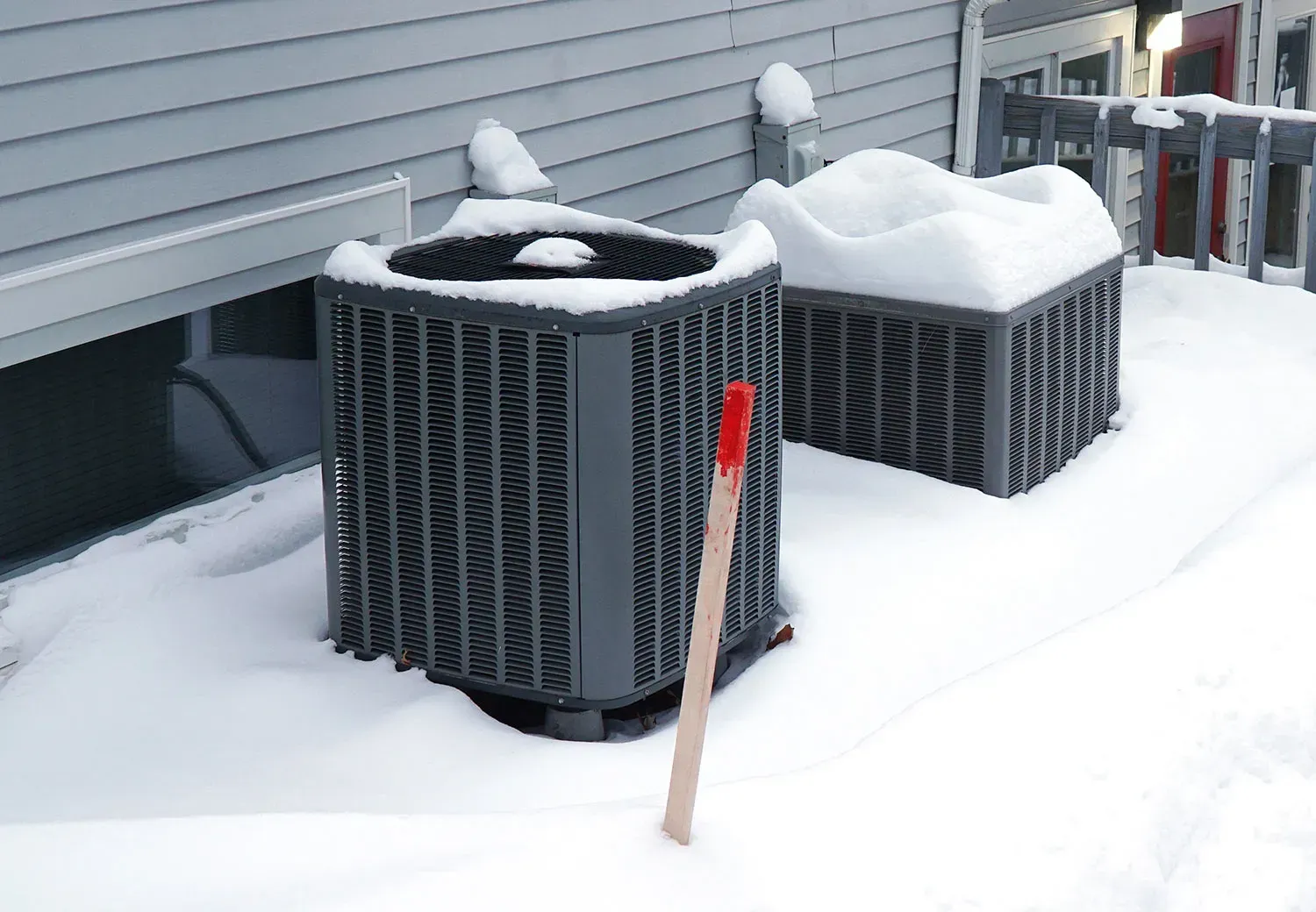
Winter weather in North Carolina may be unpredictable, but ice and snow can still take a toll on your heat pump. Many homeowners accidentally damage their systems by blocking airflow, placing units too close to debris, or covering them incorrectly. At Parker and Company Heating and Air, we help homeowners across Clayton, NC and the Triangle area protect their HVAC systems through every season. Here is what you need to know to keep your outdoor heat pump running safely and efficiently during winter weather.
January 20, 2026
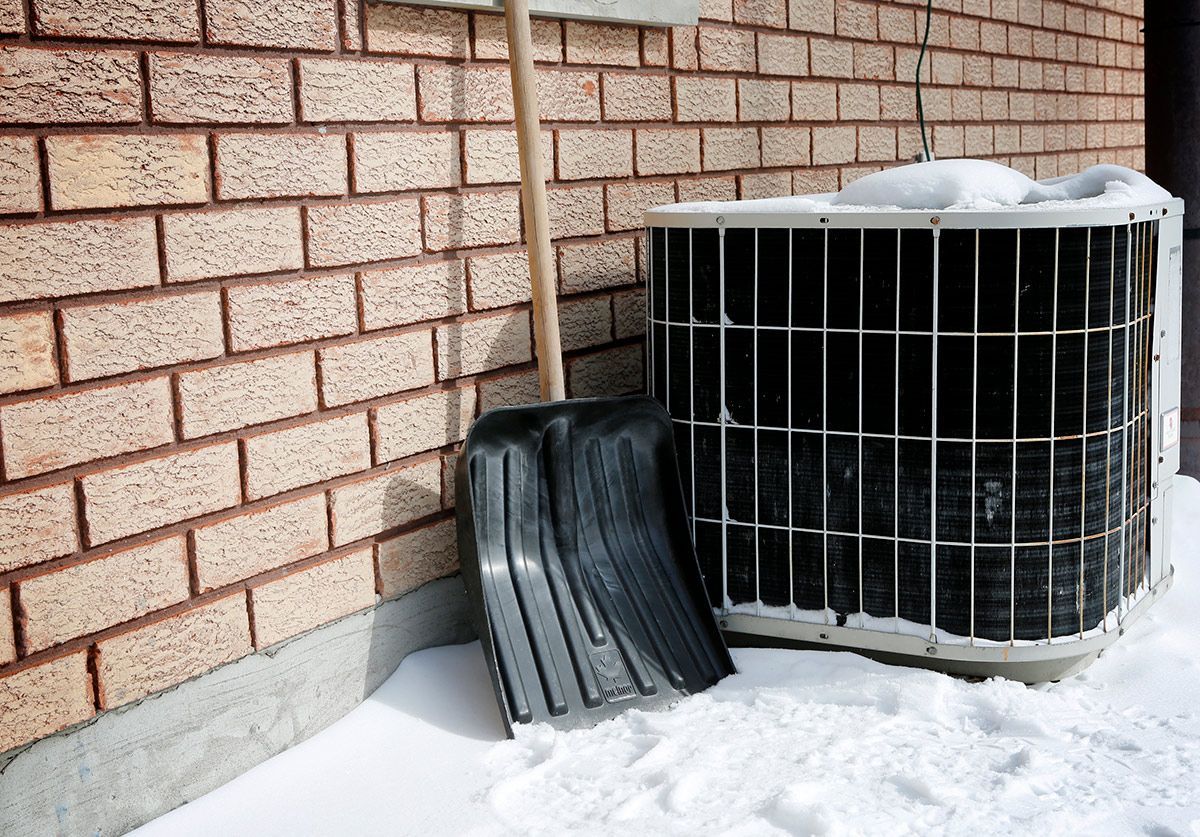
What Cold Weather Means for Your HVAC System
December 16, 2025
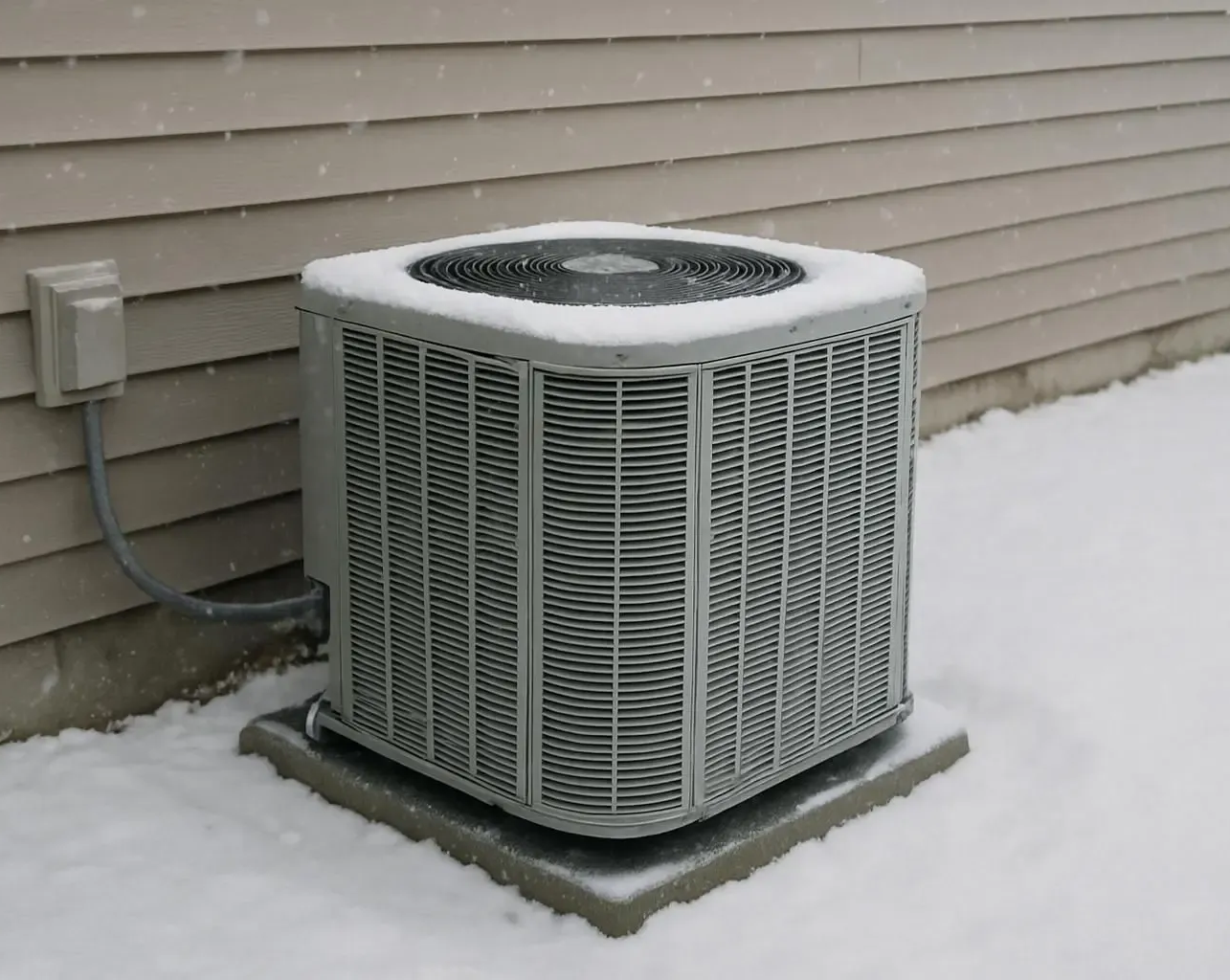
Winter HVAC Tips Every North Carolina Homeowner Should Know
November 3, 2025
Homeowners across the Triangle area—Clayton, Raleigh, and surrounding communities—are discovering the comfort and flexibility of mini-split (ductless) HVAC systems. These systems are an excellent option for certain spaces and situations where traditional central heating and cooling may not be the best fit. At Parker and Company Heating and Air, we often recommend mini-splits for their energy efficiency, versatility, and ease of installation. Here’s a closer look at when a mini-split might be the right choice for your North Carolina home.
October 10, 2025
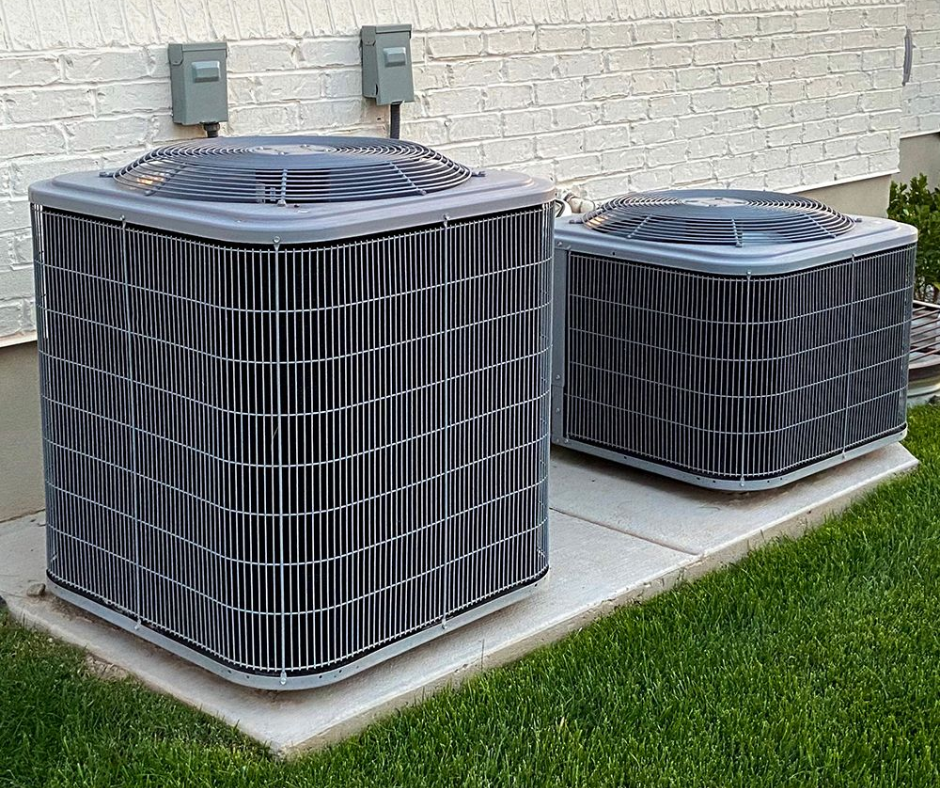
Myth: Fans don’t lower the room temperature — they just make you feel cooler by moving air.  Truth: Use fans with your AC to feel cooler at a higher temp, then turn them off when you leave the room.
September 24, 2025
1. Recognize the Signs of HVAC Failure
September 15, 2025
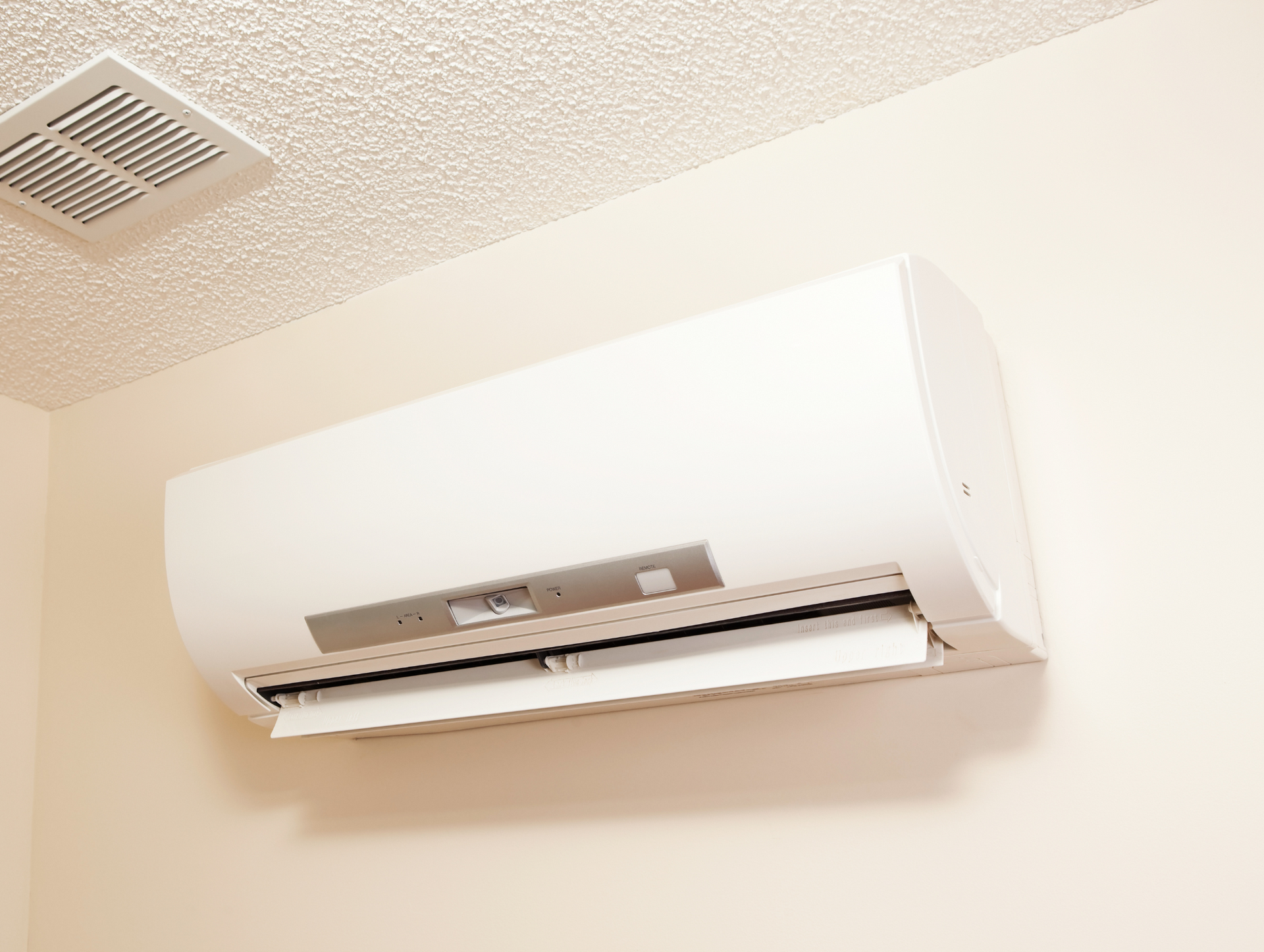
What is a Central HVAC System?
September 4, 2025
Get Your Home Ready for Cooler Weather in Clayton & Surrounding Areas
August 23, 2025
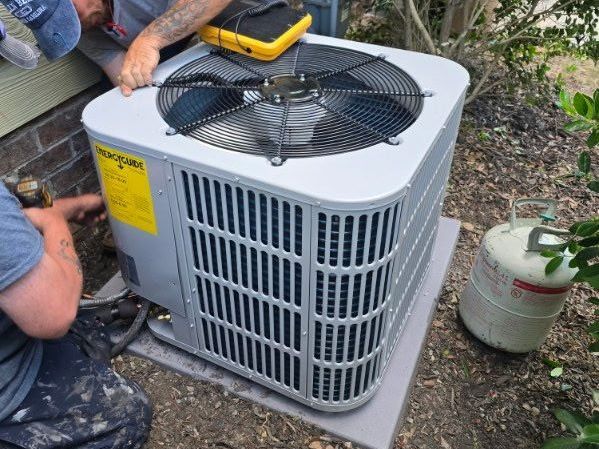
1. When to Consider Repairing Your HVAC System
August 12, 2025
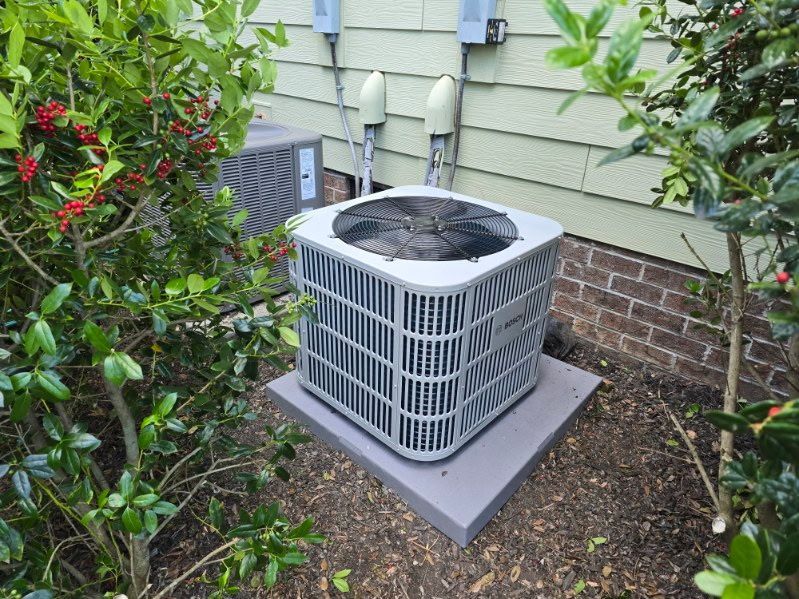
Myth 1: Leaving the AC on all day is more efficient than turning it off
Show More